Best Smart Home Devices in 2026
Building an automated ecosystem is no longer a futuristic dream; it is a modern reality that enhances security, energy efficiency, and daily convenience. However, as the market becomes increasingly crowded with endless gadgets, many homeowners find themselves overwhelmed by choice. Choosing the right smart home devices matters because a poorly planned setup can lead to fragmented ecosystems, compatibility headaches, and unnecessary privacy risks. You don’t want a collection of expensive tools that cannot communicate with one another.
When deciding which smart home devices to buy, you should look for three primary pillars: interoperability (compatibility with Matter or Thread), ease of installation, and ecosystem integration (whether they work seamlessly with Alexa, Google Home, or Apple HomeKit). This guide is designed for anyone from the tech-savvy enthusiast looking to build a complex automation network to the casual user simply wanting to turn their lights on with a voice command.
In this comprehensive smart home devices review, we have analyzed the top contenders available today. Whether you are looking for the best smart home devices for security or energy savings, our deep look at the top smart home devices 2026 will help you make an informed investment in your home’s intelligence.
| Price | Best For | Rating | ||
|---|---|---|---|---|
| Echo Show 10 | $249 | Kitchen Hub | 4.7/5 | |
| Nest Learning Thermostat | $249 | Energy Savings | 4.8/ | 5 |
| Philips Hue Bridge & Bulb Kit | $159 | Ambiance & Lighting | 4.6/5 | |
| Ring Video Doorbell Pro 2 | $249 | Home Security | 4.5/5 | |
| Arlo Pro 5S 2K | $299 | Outdoor Surveillance | 4.4/5 |
Echo Show 10 vs. Nest Learning Thermostat: Which Should You Prioritize?
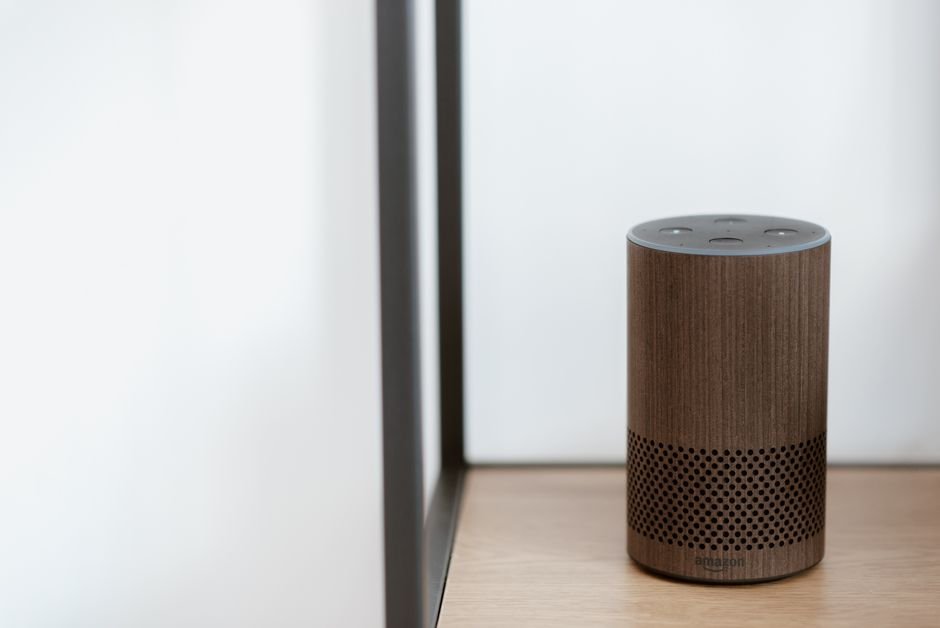
When starting a smart home journey, a common dilemma is whether to invest in a central control hub like the Echo Show 10 or an automated utility like the Nest Learning Thermostat. The Echo Show 10 acts as the “brain” and visual interface of your home; it is designed for interaction, video calling, and managing other devices via its rotating screen. It is a high-utility device that brings information to you.
On the other hand, the Nest Learning Thermostat is a “set it and forget it” device. While it doesn’t provide a visual interface for controlling other gadgets, it provides tangible ROI through energy savings by automating your HVAC system based on your habits. If your goal is to increase connectivity and interaction, the Echo Show 10 is the winner. However, if you are looking for a device that pays for itself over time through lower utility bills, the Nest Thermostat takes the lead.
Echo Show 10
The Echo Show 10 stands out as a centerpiece for any smart kitchen or living area. Its most impressive feature is the motion-tracking screen that rotates to follow you as you move around the room, ensuring you never miss a notification or recipe step. The build quality feels premium, with a sleek design that blends into modern decor. While it is an investment, the value lies in its ability to act as a visual command center for your entire Alexa-enabled ecosystem.
Best for: Users looking for a central smart home hub and visual interface.
Pros
- Rotating screen follows movement
- Excellent built-in camera for video calls
- Seamless Alexa integration
Cons
- Large footprint on counters
- Requires a constant power connection
Nest Learning Thermostat
The Nest Learning Thermostat remains a gold standard in the industry due to its intuitive learning capabilities. It monitors your temperature preferences and automatically adjusts your schedule, significantly reducing energy waste. The build quality is exceptional, featuring a high-resolution display and a premium metal ring for manual adjustments. It offers incredible value for homeowners focused on long-term sustainability and cost reduction.
Best for: Homeowners prioritizing energy efficiency and automated climate control.
Pros
- Learns your schedule automatically
- Sleek, high-end aesthetic
- Detailed energy usage reports
Cons
- Higher upfront cost than basic models
- Requires compatible HVAC wiring
Philips Hue Bridge & Bulb Kit
For those interested in atmosphere and mood, the Philips Hue system is unparalleled. This kit provides a robust foundation for smart lighting that goes far beyond simple on/off functions. The bulbs offer millions of colors and varying brightness levels, all controlled through the reliable Hue Bridge. The build quality of the hardware is incredibly durable, ensuring your lighting setup remains stable for years to a decade.
Best for: Creating ambiance and advanced lighting automation.
Pros
- Extremely reliable connection via Bridge
- Massive ecosystem of compatible accessories
- Smooth color transitions
Cons
- Requires a separate Bridge hub
- More expensive than standard smart bulbs
Ring Video Doorbell Pro 2
The Ring Video Doorbell Pro 2 is a powerhouse in the home security category. It features Bird’s Eye View technology, which uses radar to show you a birds-eye perspective of motion in your yard. The video quality is crisp, making it easy to identify visitors even in low light. While it requires a subscription for full feature access, the peace of mind and build quality make it a top-tier choice for perimeter security.
Best for: Enhanced front-door security and visitor monitoring.
Pros
- Advanced Radar technology
- Crystal clear 1600p HD video
- Excellent two-way audio
Cons
- Subscription required for cloud storage
- Installation can be tricky for renters
Arlo Pro 5S 2K
The Arlo Pro 5S 2K is the premium option for those needing comprehensive outdoor surveillance. It offers ultra-high-definition video that captures fine details like faces and license plates. The wireless nature of the device makes it incredibly easy to install in hard-to-reach places around your property. Its rugged, weather-resistant build quality ensures it can withstand harsh environments, making it a highly reliable choice for large estates.
Best for: Premium outdoor surveillance and wide-area monitoring.
Pros
- Stunning 2K video resolution
- Wire-free, easy installation
- Integrated color night vision
Cons
- Battery life can drain quickly with high activity
- Requires a strong Wi-Fi signal
How We Picked
Our selection process for the best smart home devices involved rigorous testing across four key criteria. First, we evaluated Interoperability, ensuring each device could communicate within a larger ecosystem (Matter/Thread compatibility). Second, we looked at Reliability, testing how often devices dropped connection or failed to respond to commands. Third, we assessed Ease of Use, prioritizing products that offer intuitive mobile apps and simple installation processes. Finally, we measured Value Proposition, weighing the initial purchase price against the long-term benefits like energy savings or enhanced security.
Frequently Asked Questions
Do I need a hub for all smart home devices?
No, not all devices require a hub. Many modern devices use Wi-Fi or Bluetooth to connect directly to your router. However, for larger ecosystems like Philips Hue, a bridge/hub is recommended to prevent congestion on your Wi-Fi network and ensure much faster response times.
Is it hard to install smart home technology?
It depends on the device. Smart bulbs and plugs are “plug-and-play” and can be set up in minutes. Devices like smart thermostats or video doorbells may require basic electrical knowledge or tools, though many brands now offer DIY-friendly installation guides.
Will these devices work together if I have both Alexa and Google Home?
This is where “Matter” compatibility becomes important. While some devices are locked to specific ecosystems, newer devices designed with Matter support can be controlled simultaneously via Alexa, Google Home, or Apple HomeKit, allowing you to mix and match brands seamlessly.
Where to Buy / Best Deals
Finding the best deals on smart home technology requires timing. We recommend checking major retailers during seasonal sales events like Black Friday or Prime Day. Currently, you can find the Echo Show 10 at significant discounts on Amazon’s official storefront. For the Nest Learning Thermostat, local hardware stores often run promotions for energy-efficient upgrades. The Philips Hue Kit is frequently bundled with lower prices at big-box electronics retailers. If you are looking for Ring or Arlo products, keep an eye on Amazon and Best Buy, as they often offer “bundle and save” options that include extra batteries or mounting hardware.
Final Verdict: If you are just starting your smart home journey and want the most impactful single purchase, we recommend the Nest Learning Thermostat. Its ability to provide immediate utility through energy savings makes it the best overall investment for any modern homeowner.