Best Smart Home Devices in 2026
Building a modern automated ecosystem can feel overwhelming. With hundreds of new gadgets hitting the market every month, deciding which smart home devices to buy is no longer just about convenience; it is about compatibility, security, and long-term value. A poorly chosen hub might not talk to your lights, and a cheap camera might compromise your family’s privacy. Choosing the right smart home devices matters because your ecosystem is only as strong as its weakest link.
When shopping for automation, you should look for seamless integration (Matter or Thread support), ease of installation, and robust data encryption. This smart home devices review is designed for everyone from the “tech-curious” beginner looking to automate their first lightbulb to the advanced enthusiast seeking a fully integrated, hands-free environment. We have analyzed the current market to bring you the top smart home devices 2026 that offer the best balance of innovation and reliability.
In this guide, we will break down the best smart home devices across various categories, including security, lighting, climate control, and voice assistance. Our goal is to help you handle the complex landscape of sensors, hubs, and controllers so you can create a home that works for you.
| Product | Price | Best For | Rating |
|---|---|---|---|
| Echo Hub | $179 | Centralized Control | 4.5/5 |
| Nest Learning Thermostat | $249 | Energy Savings | 4.8/5 |
| Philips Hue Bridge | $59 | Smart Lighting Enthusiasts | 4.7/5 |
| Arlo Pro 5S 2K | $249 | Outdoor Security | 4.6/5 |
Echo Hub vs. Nest Learning Thermostat: Which Should You Prioritize?
When starting a smart home journey, many users ask whether they should invest in a centralized controller like the Echo Hub or a specialized utility device like the Nest Learning Thermostat. The answer depends on your primary goal: control or efficiency.
The Echo Hub is a “command center.” It doesn”t perform a specific household task like heating or cooling; instead, it acts as the brain that allows you to see and manage all your other devices via a touchscreen. If you have dozens of smart plugs, cameras, and lights, the Echo Hub provides the interface to run them all at once.
On the other hand, the Nest Learning Thermostat is a “specialist.” It performs one critical job—managing your HVAC system—but it does so with extreme intelligence. While the Echo Hub manages your ecosystem, the Nest pays for itself through energy savings. If you are on a budget, we recommend starting with the Nest to lower utility bills, then adding the Echo Hub once your device count grows.
Echo Hub
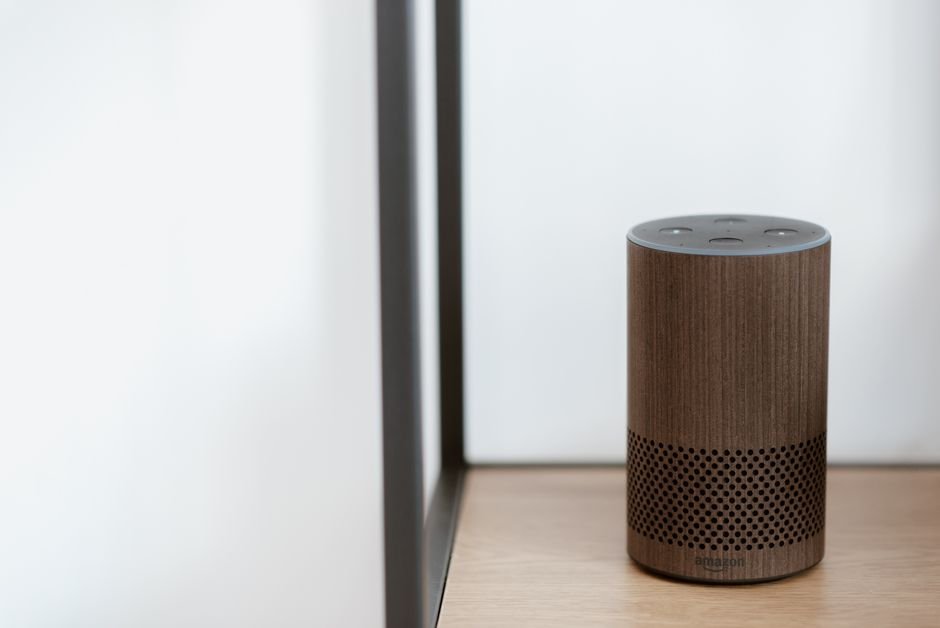
The Echo Hub serves as the ultimate dashboard for the Amazon Alexa ecosystem. It features a large, vibrant touchscreen that allows you to view camera feeds, adjust lights, and manage timers without saying a word. The build quality is sleek and modern, fitting perfectly in a kitchen or hallway. For anyone looking to consolidate their smart home controls into one visual interface, this represents incredible value.
Best for: Users with extensive Alexa-enabled ecosystems.
Pros
- Centralized visual dashboard
- Easy wall mounting
wide-angle camera view
Cons
- Requires Amazon Alexa ecosystem
- Screen can be a fingerprint magnet
Nest Learning Thermostat
The Nest Learning Thermostat remains a gold standard in climate automation. Its standout feature is its ability to “learn” your schedule, automatically adjusting temperatures to save energy when you are away. The premium metal and glass construction feels high-end on any wall, and the interface is incredibly intuitive. It offers unparalleled value for homeowners looking to reduce their carbon footprint and monthly expenses.
Best for: Homeowners focused on energy efficiency and automation.
Pros
- Advanced machine learning algorithms
- Significant energy savings
Highly intuitive interface
Cons
- Higher upfront cost
- Requires compatible HVAC wiring
Philips Hue Bridge
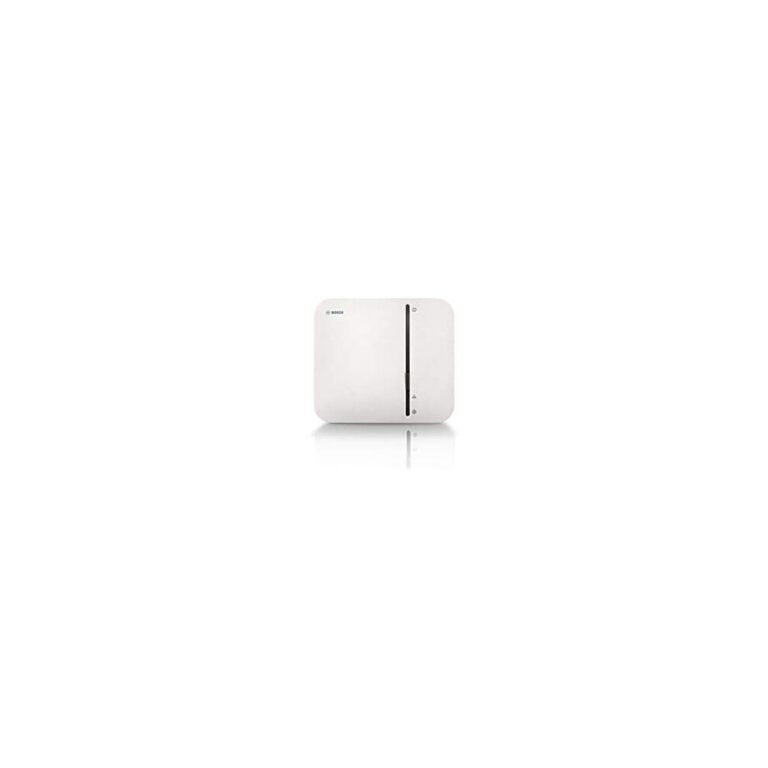
The Philips Hue Bridge is the backbone of a professional-grade smart lighting setup. While it isn’t a “flashy” device, its ability to manage hundreds of lights without lagging or dropping connections is unmatched. The build quality is compact and unobtrusive, making it easy to hide near your router. If you want lighting scenes that respond to movies or music, this bridge is the essential foundation.
Best for: Serious smart lighting enthusiasts.
Pros
- Rock-solid connection stability
- Extremely low latency
Supports massive device counts
Cons
- Requires an Ethernet connection
- Adds another device to your network
Arlo Pro 5S 2K
The Arlo Pro 5S 2K is a powerhouse in the home security category. It delivers crystal-clear 2K video resolution and features advanced color night vision that makes monitoring your perimeter a breeze. The build quality is rugged and weather-resistant, designed to withstand harsh elements. For those seeking peace of mind through high-definition surveillance, this is one of the best smart home devices available today.
Best for: Premium outdoor security and surveillance.
Pros
- Stunning 2K video clarity
- Wide field of view
Integrated spotlight feature
Cons
- Subscription required for cloud storage
- Battery life can drain quickly with heavy use
How We Picked
To identify the top smart home devices 2026, our team followed a rigorous evaluation process. First, we prioritized Interoperability; any device that cannot communicate via Matter or common protocols like Zigbee/Z-Wave was deprioritized. Second, we looked at Reliability, testing how often devices dropped from Wi-Fi networks during peak usage. Third, we assessed Ease of Use, ensuring that setup could be completed by a non-technical user within minutes. Finally, we analyzed Privacy and Security, favoring brands with transparent data policies and robust encryption standards.
Frequently Asked Questions
Do I need a hub for my smart home?
It depends on your devices. Some devices connect directly to your Wi-Fi, while others (like many lights and sensors) require a hub like the Philips Hue Bridge or Echo Hub to communicate with the internet and each other.
Will these devices work together?
As long as the devices support a common language—such as Matter, Thread, or are part of the same ecosystem (like Alexa or Google Home)—they will work seamlessly together. Always check for “Works with Alexa” or “Matter compatible” labels.
Is smart home security safe from hackers?
While no internet-connected device is 100% immune, you can maximize security by using strong, unique passwords, enabling two-factor authentication (2FA), and keeping your device firmware updated regularly.
Where to Buy / Best Deals
Finding the best prices on smart home tech requires a bit of shopping around. Here are our current recommendations:
- Echo Hub: Frequently discounted during Amazon Prime Day events. Check Amazon directly for bundle deals with Echo Dots.
- Nest Learning Thermostat: Look for seasonal sales at major retailers like Best Buy or Home Depot, often paired with HVAC installation services.
- Philips Hue Bridge: We recommend buying “Starter Kits” rather than the bridge alone; they typically offer a much higher value per bulb.
- Arlo Pro 5S 2K: Keep an eye on Arlo’s official website for multi-camera bundles, which significantly reduce the per-unit cost.
Final Verdict: If you are just starting out and want a single device that provides immediate utility and long-term savings, the Nest Learning Thermostat is our top pick for its ability to pay for itself through energy efficiency.